
Electric Vehicle Technology and Its Impact on Modern Transportation
The global automotive landscape is undergoing a profound transformation, driven by the rapid adoption of electric vehicle technology. An electric vehicle represents a shift away from traditional fuel dependency toward cleaner, more efficient mobility solutions. Powered primarily by electric motors and advanced battery systems, these vehicles are redefining how people commute, travel, and think about transportation. Governments, manufacturers, and consumers alike are embracing this change as environmental concerns and energy efficiency become central priorities.
Unlike conventional vehicles, an electric vehicle operates with fewer moving parts, resulting in lower mechanical complexity and reduced emissions. This fundamental difference has far-reaching implications for maintenance, performance, and long-term ownership costs. As charging infrastructure expands and battery technology improves, electric vehicles are becoming increasingly practical for everyday use across diverse driving conditions.
The Core Technology Behind Electric Vehicles
At the heart of every electric vehicle lies its battery pack, electric motor, and power management system. Lithium-ion batteries store electrical energy and deliver it to the motor, which converts it into motion with remarkable efficiency. Power electronics regulate energy flow, ensuring smooth acceleration and regenerative braking that recaptures energy during deceleration.
This streamlined powertrain eliminates the need for components such as fuel injectors, exhaust systems, and complex transmissions. As a result, electric vehicles offer quieter operation and instant torque delivery. Understanding this core technology highlights why electric vehicles are often praised for both performance responsiveness and mechanical simplicity.
Environmental Benefits and Emission Reduction
One of the strongest arguments in favor of electric vehicles is their environmental impact. By producing zero tailpipe emissions, an electric vehicle significantly reduces air pollution in urban areas. This contributes to improved air quality and public health, particularly in densely populated regions with high traffic congestion.
When paired with renewable energy sources, electric vehicles further reduce carbon footprints over their lifecycle. Even when charged from conventional power grids, studies consistently show lower overall emissions compared to internal combustion vehicles. This environmental advantage positions electric vehicles as a critical component of sustainable transportation strategies worldwide.
Cost Efficiency and Long-Term Ownership Value
While the initial purchase price of an electric vehicle may be higher than that of a conventional car, long-term cost efficiency often favors electric mobility. Lower fuel costs, reduced maintenance requirements, and government incentives contribute to overall savings. Electric motors experience less wear, and the absence of oil changes and exhaust repairs reduces routine service expenses.
Battery longevity has also improved significantly, with modern electric vehicles designed to retain performance over many years. As battery replacement costs decline and resale markets mature, electric vehicles continue to strengthen their economic appeal for individual owners and fleet operators.
Charging Infrastructure and Practical Usability
Charging accessibility is a key factor influencing electric vehicle adoption. Home charging solutions provide convenience for daily commuting, allowing vehicles to be charged overnight. Public charging networks, including fast chargers, support longer journeys and reduce range anxiety for drivers.
Advancements in charging technology have shortened charging times and increased compatibility across vehicle models. Navigation systems now integrate charging station locations, making route planning more efficient. For drivers evaluating options within the electric mobility ecosystem, exploring categories dedicated to Electric Vehicle solutions offers clarity on available models, accessories, and infrastructure considerations.
Driving Experience and Performance Characteristics
Electric vehicles deliver a distinct driving experience characterized by smooth acceleration and minimal noise. Instant torque allows rapid response at low speeds, enhancing urban driving and overtaking performance. The low center of gravity, due to battery placement, improves handling and stability.
These performance traits are not limited to high-end models. Even entry-level electric vehicles benefit from efficient power delivery and balanced weight distribution. As a result, drivers often report reduced fatigue and increased comfort during extended drives.
Maintenance Simplicity and Reliability
Maintenance requirements for electric vehicles are notably simpler than those of traditional cars. With fewer mechanical components, the likelihood of part failure decreases. Routine maintenance typically involves brake inspections, tire rotations, and software updates rather than engine-related repairs.
Regenerative braking systems extend brake life by reducing wear, further lowering maintenance costs. Software-driven diagnostics allow manufacturers to improve performance and address issues remotely. This combination of simplicity and technological oversight enhances reliability and ownership confidence.
Integration of Smart and Connected Features
Electric vehicles are closely aligned with digital innovation. Many models incorporate advanced connectivity features, including mobile app integration, real-time energy monitoring, and remote control functions. Drivers can track charging status, plan routes, and adjust climate settings through connected platforms.
These smart features optimize energy usage and improve convenience. Over-the-air updates ensure that vehicles evolve over time, adding new functionalities without physical modifications. This digital adaptability distinguishes electric vehicles from conventional automotive platforms.
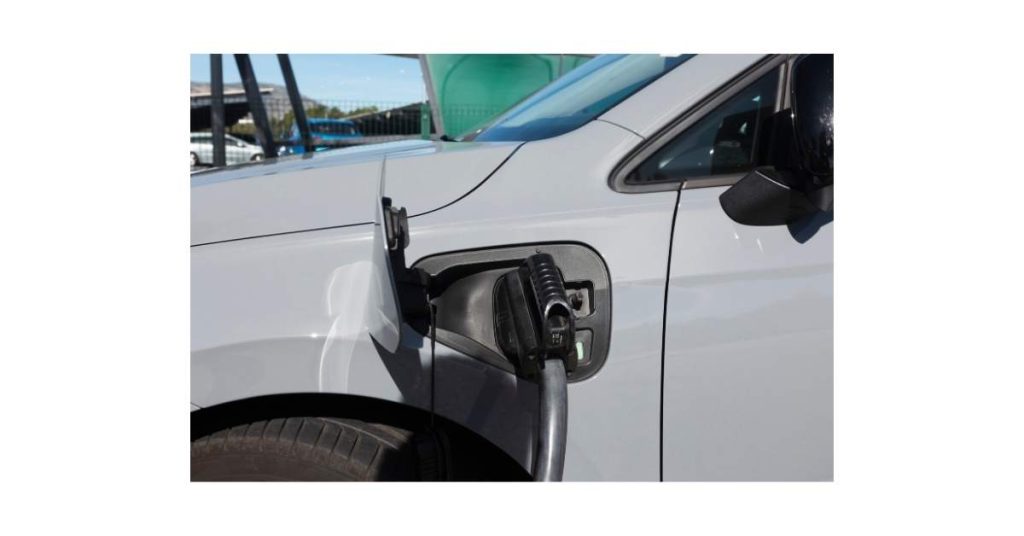
Electric Vehicles and Urban Mobility Solutions
Urban environments benefit significantly from electric vehicle adoption. Reduced noise pollution, lower emissions, and compact design options make electric vehicles ideal for city driving. Shared mobility services, delivery fleets, and public transportation systems increasingly rely on electric vehicles to meet sustainability goals.
Municipal incentives such as reduced tolls, priority parking, and access to low-emission zones further encourage urban adoption. As cities invest in charging infrastructure, electric vehicles become integral to smarter, cleaner urban mobility ecosystems.
Battery Technology Advancements and Range Improvements
Battery innovation remains a focal point of electric vehicle development. Improvements in energy density, charging speed, and thermal management have extended driving ranges significantly. Modern electric vehicles now offer ranges suitable for long-distance travel, addressing one of the earliest adoption barriers.
Research into solid-state batteries and alternative chemistries promises further gains in safety and efficiency. As these technologies mature, electric vehicles will continue to close the gap with traditional vehicles in terms of convenience and flexibility.
Safety Standards and Regulatory Support
Electric vehicles adhere to rigorous safety standards governing battery protection, electrical insulation, and crash performance. Advanced safety systems monitor battery temperature and isolate electrical components during accidents. Regulatory frameworks ensure consistent safety benchmarks across manufacturers.
Government policies play a crucial role in accelerating adoption through subsidies, tax incentives, and infrastructure investment. These measures reduce entry barriers and signal long-term commitment to electric mobility as a national and global priority.
Market Growth and Consumer Adoption Trends
The electric vehicle market has experienced rapid growth, driven by technological progress and shifting consumer attitudes. Increasing model diversity allows buyers to choose electric vehicles that match various budgets, body styles, and performance expectations.
As awareness grows and firsthand experiences increase, consumer confidence continues to rise. Platforms focusing on Electric Vehicle developments help consumers stay informed about emerging models, trends, and ownership considerations in this evolving market.
Challenges and Future Outlook
Despite significant progress, electric vehicles face challenges such as charging infrastructure gaps, battery recycling, and supply chain constraints. Addressing these issues requires coordinated efforts from manufacturers, policymakers, and energy providers.
Looking ahead, electric vehicles are expected to integrate more deeply with renewable energy systems, smart grids, and autonomous driving technologies. Continuous innovation will further enhance efficiency, affordability, and accessibility.
The Role of Electric Vehicles in a Sustainable Future
Electric vehicles are more than an alternative to conventional cars; they represent a foundational shift in how transportation aligns with environmental responsibility and technological advancement. By reducing emissions, lowering operating costs, and integrating smart features, electric vehicles address both present needs and future challenges.
As adoption accelerates, electric vehicles will play a central role in shaping cleaner cities, resilient energy systems, and sustainable mobility solutions. Understanding their technology, benefits, and trajectory empowers consumers to participate confidently in this transformative movement.