
Exhaust System Types and Their Role in Modern Vehicles
Exhaust System Types play a critical role in determining how a vehicle performs, sounds, and complies with emission standards. While many drivers think of the exhaust as a single pipe, it is actually a carefully engineered system whose design varies depending on engine configuration, vehicle purpose, and regulatory requirements. Different exhaust layouts influence power delivery, fuel efficiency, noise control, and environmental impact. Understanding how exhaust system types differ helps vehicle owners make informed decisions about maintenance, upgrades, and long-term reliability.
Why Exhaust System Design Matters
The design of an exhaust system is not accidental. Engineers tailor exhaust layouts to manage gas flow, pressure, and temperature in a way that complements engine characteristics. An efficient exhaust system allows combustion gases to exit smoothly, reducing backpressure and improving engine breathing. Poorly matched designs can restrict flow, causing performance loss and increased fuel consumption. Exhaust system types also affect how heat is dissipated and how effectively emissions are treated before gases exit the vehicle.
Single Exhaust Systems and Their Practical Use
Single exhaust systems are among the most common designs, particularly in compact and mid-sized vehicles. This setup uses one exhaust pipe to carry gases from the engine to the rear of the vehicle. Its simplicity makes it cost-effective, lightweight, and easy to maintain. Single exhaust designs prioritize efficiency and quiet operation over performance gains. For daily commuting vehicles, this type of system offers a balance between adequate exhaust flow and compliance with noise and emission standards.
Dual Exhaust Systems and Performance Benefits
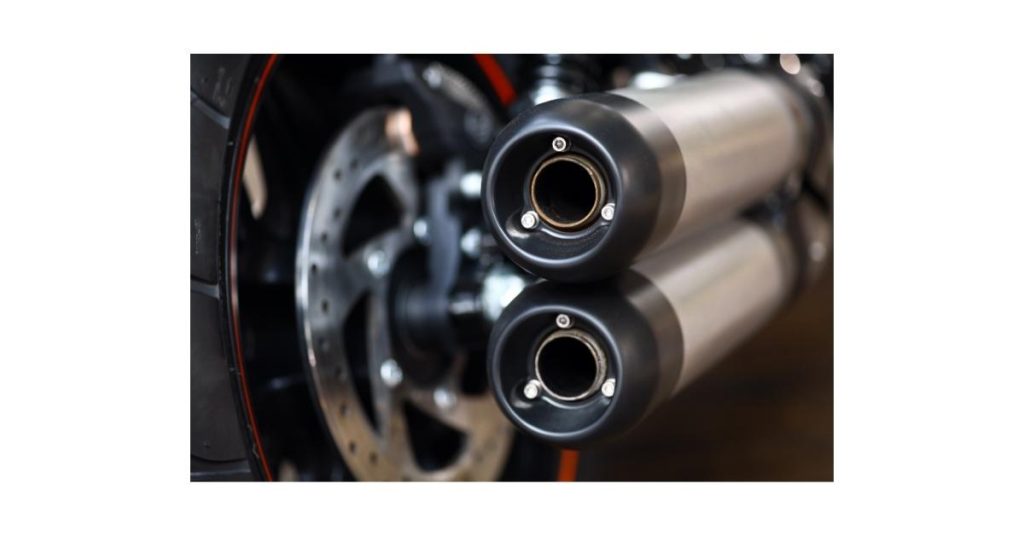
Dual exhaust systems use two separate exhaust paths, allowing gases to exit more freely. This design reduces backpressure and enhances engine efficiency, especially in larger engines. Vehicles with dual exhaust systems often experience improved horsepower and torque. Additionally, dual exhaust layouts are associated with deeper, more aggressive sound profiles. While they may increase manufacturing and maintenance costs, dual systems are favored in performance-oriented and larger vehicles where improved exhaust flow is a priority.
Opposite Dual Exhaust and Balanced Flow
Opposite dual exhaust systems split exhaust gases into two pipes that exit on opposite sides of the vehicle. This configuration balances exhaust flow and reduces heat concentration at the rear. It is commonly found in performance cars and some luxury vehicles. Balanced flow improves engine efficiency and contributes to consistent sound output. This exhaust system type is designed not only for aesthetics but also for optimized gas dispersion and improved thermal management.
Dual Rear Exit Exhaust Systems Explained
Dual rear exit exhaust systems route both exhaust pipes to the same side at the rear of the vehicle. This design offers many of the performance benefits of dual exhaust systems while maintaining a compact layout. It is often used in vehicles where space constraints limit opposite-side exits. Dual rear exit systems combine enhanced flow with a sporty appearance, making them popular in modern sedans and performance trims without requiring extensive underbody modification.
High-Performance Exhaust System Types
High-performance exhaust systems are engineered to maximize gas flow and minimize restrictions. These systems often feature mandrel-bent pipes, high-flow mufflers, and performance-tuned resonators. By reducing turbulence and backpressure, they allow engines to operate more efficiently at higher RPMs. While these exhaust system types can improve power output, they may increase noise levels and require careful tuning to remain compliant with emission regulations.
Header-Back and Cat-Back Exhaust Systems
Aftermarket exhaust upgrades often fall into categories such as header-back or cat-back systems. Header-back systems replace nearly the entire exhaust layout from the exhaust headers to the tailpipe, offering maximum flow improvement. Cat-back systems, on the other hand, replace components from the catalytic converter backward. These designs allow drivers to enhance performance and sound without altering emission-critical components, making them a popular choice for enthusiasts seeking balanced upgrades.
Straight Pipe Exhaust Systems and Their Trade-Offs
Straight pipe exhaust systems eliminate mufflers and resonators entirely, allowing exhaust gases to flow with minimal restriction. This design maximizes sound and flow but sacrifices noise control and often violates legal regulations. Straight pipe systems are typically used in racing environments where performance takes precedence over comfort and compliance. For everyday driving, this exhaust system type is generally impractical due to excessive noise and emission concerns.
Turbocharged Engine Exhaust Configurations
Turbocharged engines require specialized exhaust designs to manage increased heat and pressure. Exhaust system types for turbocharged vehicles often include reinforced piping and optimized flow paths to support turbo efficiency. Proper exhaust design ensures rapid spool-up and consistent boost pressure. Restrictions in these systems can negatively impact turbo performance, making exhaust layout particularly critical in forced-induction engines.
Diesel Exhaust System Types and Emission Control
Diesel engines use exhaust systems designed to handle higher soot levels and exhaust temperatures. These systems often include additional emission-control components to meet strict environmental standards. Diesel exhaust layouts prioritize durability and filtration efficiency. Their design reflects the unique combustion characteristics of diesel engines, emphasizing longevity and emission reduction over sound tuning.
How Exhaust System Types Affect Sound Characteristics
Exhaust sound is influenced heavily by system design. Single exhaust systems typically produce quieter, more subdued tones, while dual systems offer richer sound profiles. Muffler and resonator placement further shape sound output. Performance exhaust systems are tuned to enhance specific frequencies, creating distinctive auditory experiences. Understanding exhaust system types helps drivers choose setups that align with their sound preferences without compromising legality or comfort.
Impact on Fuel Efficiency and Engine Longevity
Exhaust system design directly affects engine efficiency. Systems that reduce backpressure help engines operate more smoothly, improving fuel economy under certain conditions. However, overly aggressive designs can disrupt optimal air-fuel ratios, negating efficiency gains. Balanced exhaust system types support consistent combustion, reducing engine stress and contributing to longer engine life when properly matched to vehicle specifications.
Vehicle-Specific Exhaust Design Considerations
Exhaust systems are tailored to vehicle size, engine displacement, and intended use. Compact cars prioritize lightweight designs, while trucks require robust systems to handle heavy loads. Performance vehicles focus on optimized flow and sound, whereas luxury vehicles emphasize quiet operation. Choosing the correct exhaust system type ensures compatibility with the vehicle’s engineering and intended driving experience.
Maintenance Implications Across Exhaust System Types
Different exhaust designs come with varying maintenance needs. Single systems are easier and less expensive to repair, while dual and performance systems involve more components and complexity. Exposure to heat and moisture affects all exhaust types, making routine inspection essential. Understanding design-specific maintenance helps owners anticipate costs and extend system lifespan.
Regulatory and Environmental Considerations
Exhaust system types must comply with emission and noise regulations. Modifying exhaust layouts without considering legal requirements can lead to fines or inspection failures. Manufacturers design systems to meet these standards while balancing performance goals. Vehicle owners should consider regulatory implications before altering exhaust configurations to avoid compliance issues.
Choosing the Right Exhaust System Type
Selecting the appropriate exhaust system depends on driving habits, performance expectations, and maintenance priorities. Daily drivers benefit from efficient, quiet systems, while enthusiasts may prefer performance-oriented designs. Evaluating trade-offs between sound, efficiency, cost, and legality ensures a satisfying ownership experience. Knowledge of exhaust system types allows informed decisions that align with personal and vehicle needs.
Final Perspective on Exhaust System Types
Understanding Exhaust System Types provides valuable insight into how vehicles manage performance, sound, and emissions. Each design serves a specific purpose, shaped by engineering priorities and regulatory demands. From single exhaust systems to advanced performance layouts, these designs influence every aspect of driving. By recognizing their differences and applications, vehicle owners can better maintain their systems, choose suitable upgrades, and ensure long-term reliability and compliance while enjoying a driving experience tailored to their expectations.